
Rethinking Rituals: Dry January, Alcohol Alternatives, and a More Intentional Reset
For many people, Dry January begins as a simple reset - a month without alcohol after the holidays. But for others, it becomes something more lasting: a moment to reconsider habits, rituals, and what truly supports an active, balanced life.
In Maine, where movement, seasonality, and time outdoors shape daily routines, this kind of reset feels natural. The question isn’t only what you’re removing, but what you’re replacing it with - and whether those alternatives actually fit your lifestyle.
At The Maine Lab, we see Dry January as an invitation to choose with intention.
Note: The perspectives shared here are intended for general lifestyle and educational purposes only. They are not medical advice, recommendations, or guidance. Cannabis affects everyone differently, and individuals should make personal, informed decisions based on their own experience, tolerance, and local regulations.
Why So Many People Are Reconsidering Alcohol
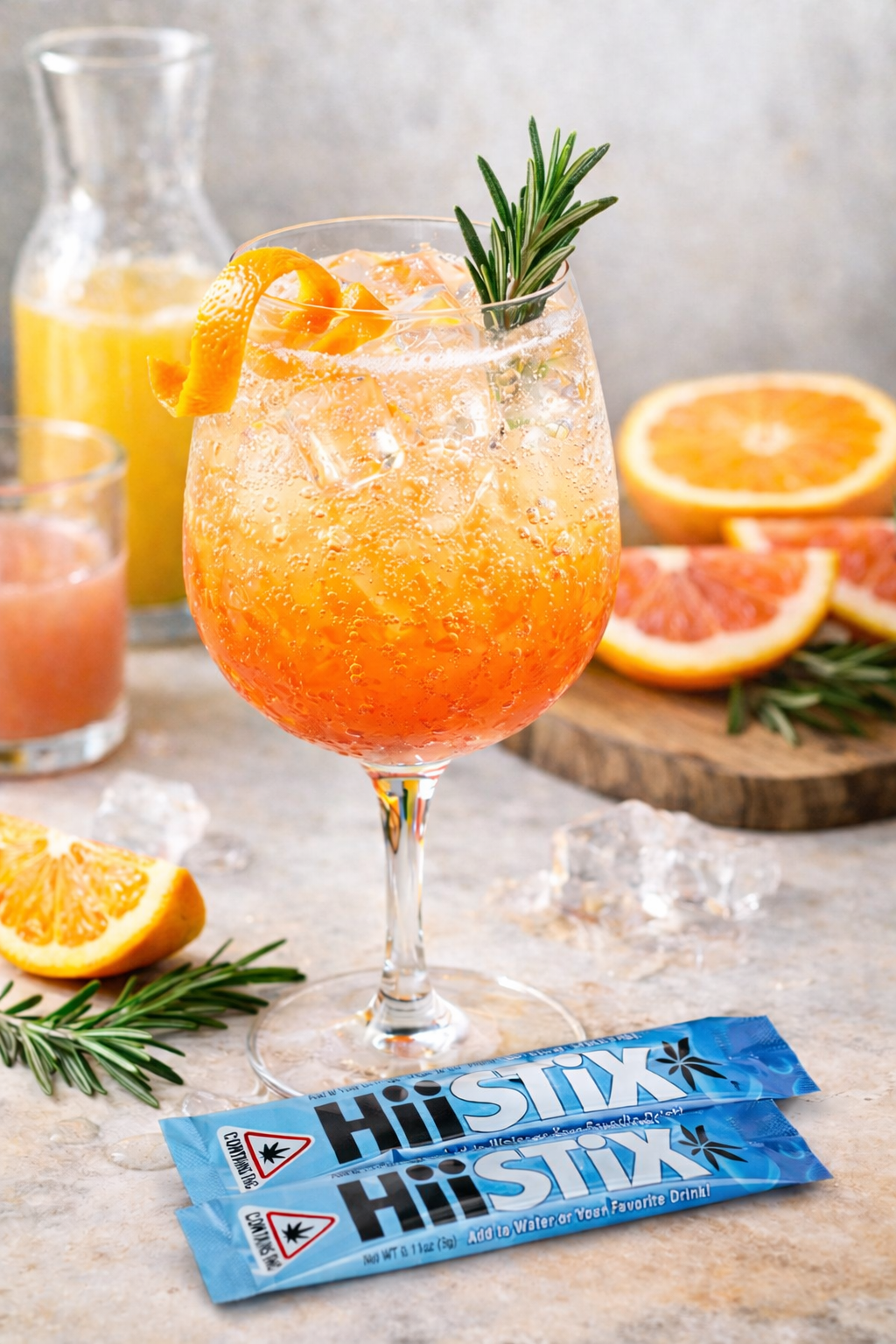
The rise of Dry January, sober-curious living, and alcohol alternatives isn’t about restriction - it’s about awareness.
People are paying closer attention to how alcohol affects sleep quality, recovery, morning energy, and mental clarity. For those living active lives, the tradeoffs often become hard to ignore. Even modest drinking can disrupt rest and make the next day feel heavier than it needs to be.
That awareness has opened the door to alternatives - not just non-alcoholic beverages, but new ways of unwinding, socializing, and marking the end of the day.
Ritual Matters More Than the Drink
What many people miss when they cut back on alcohol isn’t the alcohol itself - it’s the ritual.
Something in your hand. A pause after work. A shared moment with friends. A signal that the day is winding down.
Successful alcohol alternatives preserve that ritual while removing the downsides. For some, this means sparkling water with citrus, herbal tea, or non-alcoholic cocktails. For others who are already familiar with cannabis, alternative formats can fit into these same moments - without smoke, excess, or disruption.
Where Cannabis Can (and Can’t) Fit
Cannabis isn’t a replacement for alcohol - and it doesn’t need to be. But for some adults, it can serve as one of several alcohol alternatives during Dry January or beyond, when used thoughtfully.
The difference is intentionality.
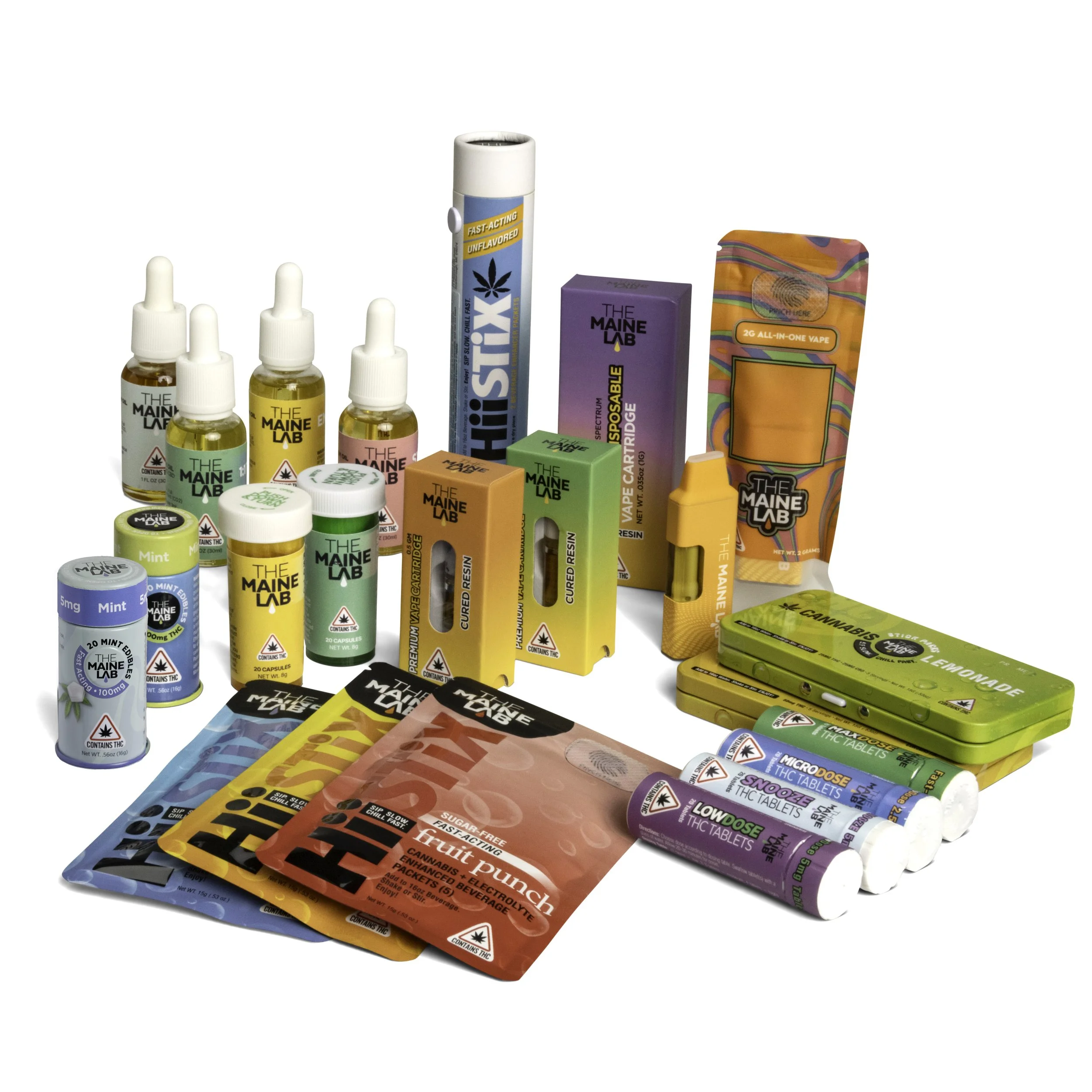
Low-dose, non-smoked formats allow cannabis to fit into social or evening routines without mimicking alcohol’s effects. Examples include:
HiiSTiX Unflavored, which dissolves into water and preserves the ritual of a drink without sweetness or calories
HiiSTiX + Electrolytes, which pairs hydration with recovery after long or active days
Lemonade Stick Packs, offering a familiar beverage ritual in a fast-acting, alcohol-free format
Discreet options like Mints, well suited for social settings
Measured formats such as Tablets or Tinctures, designed for predictability, flexibility, and personal control
These options emphasize control, not intoxication - aligning with why many people explore alcohol alternatives in the first place.
Dry January Is About Mornings, Too
One reason Dry January resonates with active people is what happens the next day.
Better sleep. Clearer mornings. Easier movement. More energy to get outside or stay consistent with routines.
Any alternative - cannabis included - only works if it supports those outcomes. That’s why timing, dose, and format matter far more than strength.
For many, the most meaningful reset isn’t about what happens at night, but how they feel when the sun comes up.
Choosing Alternatives That Support an Active Life
Alcohol alternatives work best when they protect sleep, support recovery, and preserve social connection - without derailing the next day.
That’s why cannabis, when used at all, fits best as a supporting option, not a default. Some nights it may make sense. Other nights, water, tea, or rest is the better choice.
Intentional living leaves room for all of it.
Clean Inputs, Predictable Experiences
For people exploring cannabis as an alcohol alternative, predictability matters. Clean inputs and consistent formulation make it easier to understand personal limits and make informed choices.
That reliability starts at the production level - through practices like CO₂ extraction and solventless extraction, as well as testing standards and a relationship-first approach that supports retailers, budtenders, and the broader cannabis community.
Shared education and consistent standards help everyone make better decisions.
A Reset That Can Last Beyond January
Dry January doesn’t have to end on February 1st.
For many, it becomes a reference point - proof that clearer mornings, better sleep, and more intentional evenings are possible. Alcohol alternatives, whether non-alcoholic drinks or thoughtfully used cannabis formats, simply provide more options.
The goal isn’t to replace one habit with another. It’s to choose rituals that fit the life you want to lead - active, balanced, and built for the long run.
