
The Science of Recovery: How Sleep, Hydration, and Connection Support an Active Routine
Movement is only half the equation. Recovery is what makes movement sustainable.
In Maine, where activity often stretches from early mornings to long days outdoors, recovery isn’t something you earn at the end of the day - it’s something you build intentionally along the way. Sleep, water, food, stillness, movement, sunlight, and connection all play a role. Everything else sits on top of that foundation.
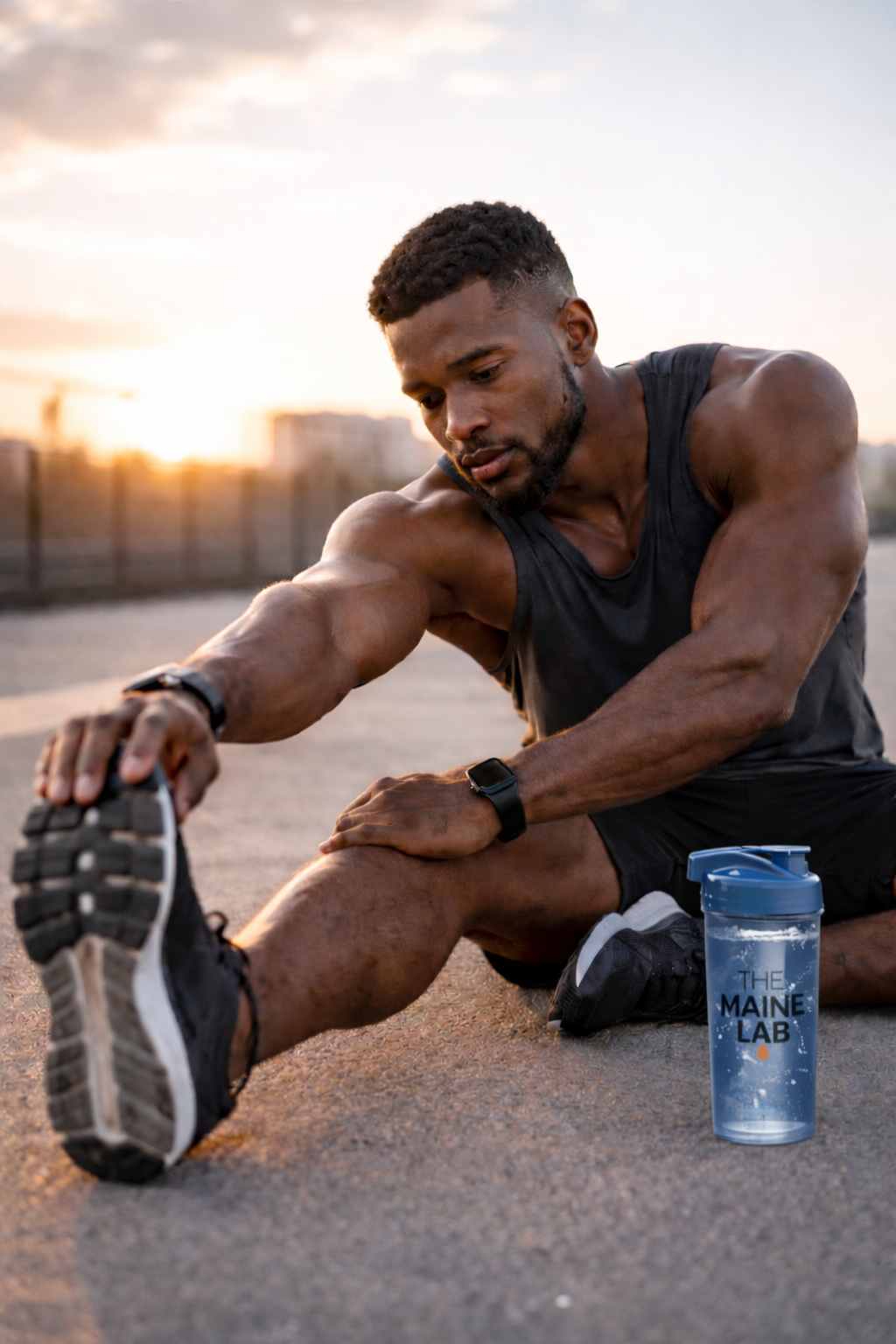
For some active Mainers, cannabis becomes a supporting tool within this broader recovery system. Not as a shortcut, and not as a replacement for rest - but as one option among many for helping the body and mind transition from effort to ease.
At The Maine Lab, recovery is about longevity, balance, and staying connected - to your body, your routine, and your community.
Note: The experiences and examples shared here are intended for general lifestyle and educational purposes only. They are not medical advice, recommendations, or guidance. Cannabis affects everyone differently, and individuals should make personal, informed decisions based on their own experience, tolerance, and local regulations.
Recovery Is Built on Fundamentals
Before talking about tools, formats, or routines, it’s worth naming the basics - the things that quietly do most of the work:
Sleep. Water. Food. Stillness. Movement. Sunlight. Connection.
Sleep restores the body and nervous system. Water and food replenish what movement depletes. Stillness gives the mind space to settle. Gentle movement keeps the body loose. Sunlight helps regulate rhythm. And connection - time with friends, family, or teammates - grounds everything.
Cannabis, if it fits at all, should sit alongside these foundations, never in place of them.
Hydration and Electrolytes: Recovery in Real Time
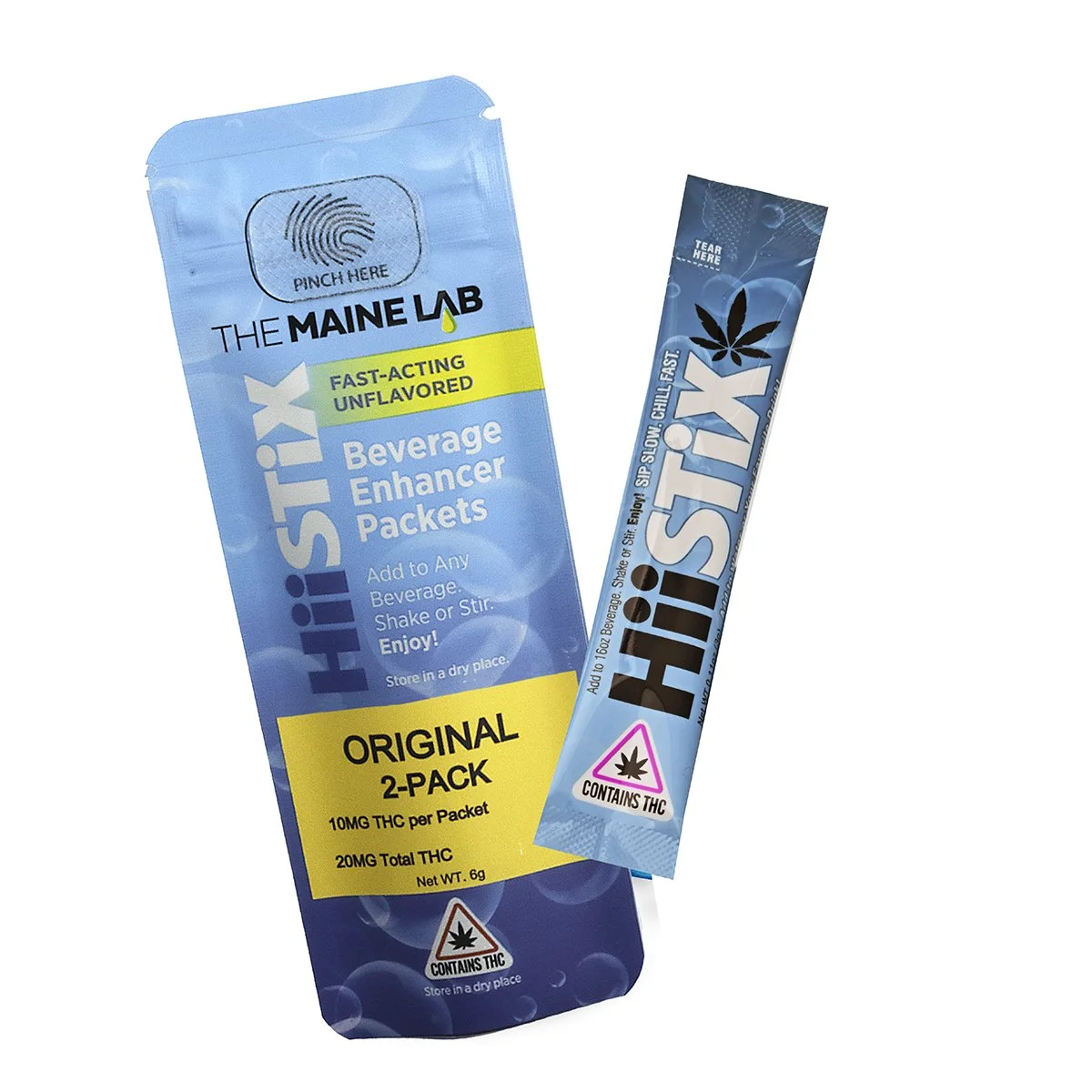
Hydration is one of the earliest recovery signals the body responds to, yet it’s often overlooked. After time outdoors or physical effort, replenishing fluids is essential.
For some people, hydration routines include electrolytes to help restore balance after exertion. Water-soluble formats like HiiSTiX + Electrolytes are designed to integrate easily into this part of the day - dissolving into water and reinforcing the habit of slowing down, hydrating, and resetting.
Others prefer keeping things even simpler, adding HiiSTiX Unflavored to a glass of water as part of an existing routine.
The key isn’t the format - it’s the pause. Hydration creates space for recovery to begin.
The Transition Window: After Effort, Before Rest
One of the most important recovery moments happens between activity and sleep - the transition window.
You’ve finished a workout, a long shift, or a day outside. The body is still warm. The mind is still active. How this window is handled often determines how well rest comes later.
For some, cannabis fits into this space sparingly and intentionally. Low-dose, predictable formats like Tablets are often chosen here because they emphasize consistency over intensity. Others prefer water-based rituals that pair naturally with hydration and breath.
The goal isn’t to feel altered. It’s to help the system downshift.
Sleep Is the Real Recovery Multiplier
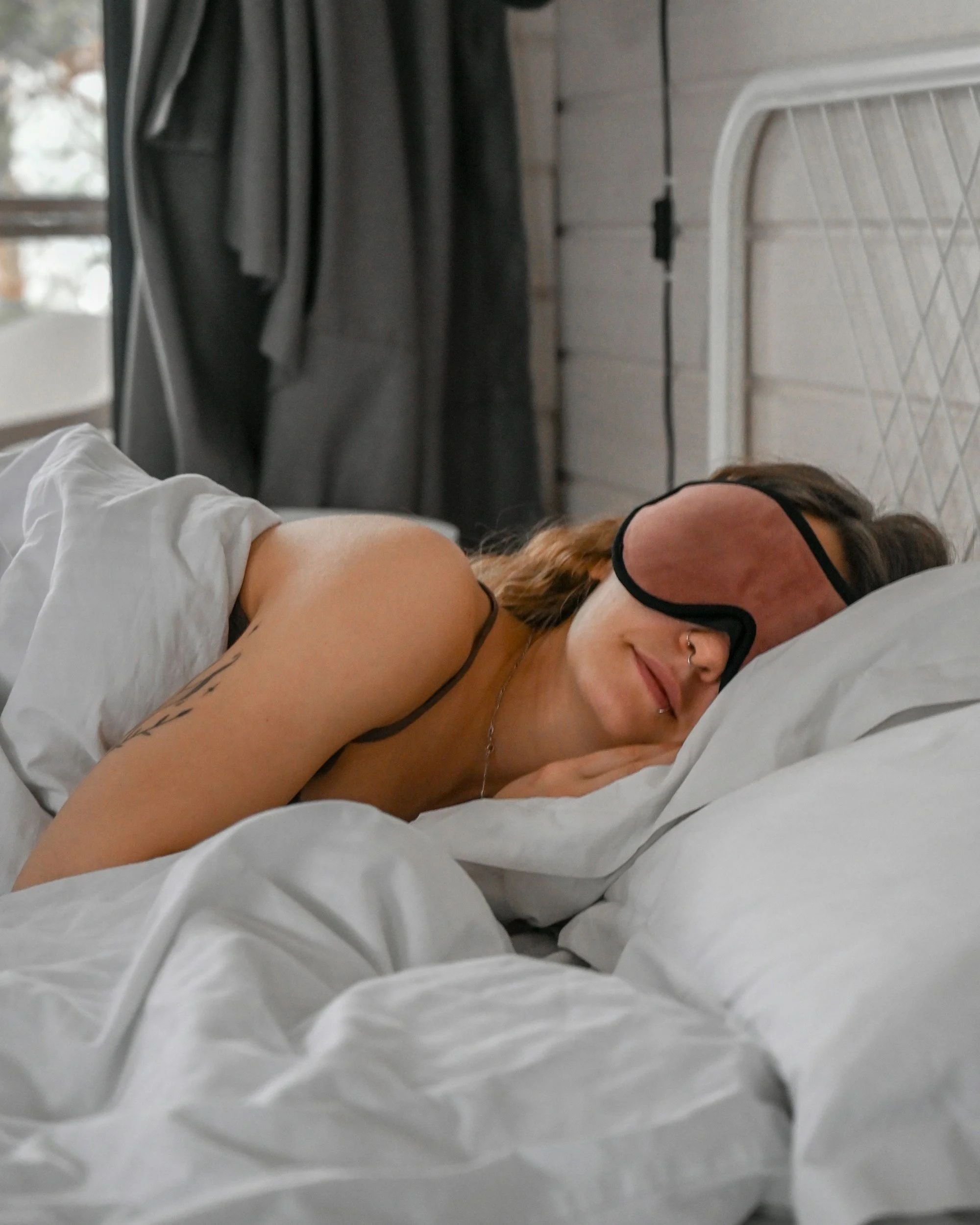
If there’s one factor that outweighs all others in recovery, it’s sleep.
Quality sleep supports physical repair, cognitive clarity, mood, and long-term performance. Active lifestyles depend on it. Evening routines that protect sleep tend to be simple: dimming lights, stepping away from screens, slowing conversation, and creating a sense of closure to the day.
For some, cannabis becomes part of that wind-down - not as a sedative, but as a way to ease mental chatter and create space for rest. Low-dose, measured formats allow people to unwind without disconnecting or overdoing it.
Sleep does the real work. Everything else simply helps make it accessible.
Recovery Is Collective, Not Individual
Recovery doesn’t happen in isolation. It’s shaped by the environments we move through and the people we learn from.
That’s why The Maine Lab believes in supporting the broader cannabis community - not just through products, but through education and shared standards. From budtender training to retailer tools and resources, the goal is to help people have better conversations, make more informed choices, and build trust across the ecosystem.
When retailers are educated and supported, consumers are better served. When the community grows together, recovery becomes part of the culture - not just an individual pursuit. You can explore more about that collaborative approach on our Services page.
Recovery Is About Staying in the Game
Active lifestyles aren’t built on intensity alone. They’re built on sustainability.
Recovery isn’t the opposite of movement - it’s what allows movement to continue. Sleep, hydration, sunlight, movement, and connection form the base. Cannabis, if used, should sit lightly on top of that foundation.
The goal isn’t just to move today. It’s to keep moving tomorrow - rested, connected, and ready.
