
Spring Miles Start Here: How Maine Runners Ease Back Into Training

In Maine, spring running doesn’t begin with perfect conditions.
It starts with cold mornings that warm up just enough by mile two. With roads still holding winter’s grit. With trails that demand patience long before they reward pace. And yet, every year, runners return - quietly, steadily - as the light stretches later and routines begin to shift.
Running has grown in recent years, not just as a sport but as a habit people come back to again and again. Participation surged during the pandemic and has continued as many people discovered running’s accessibility and simplicity. Beyond fitness, running has also played a meaningful role in rebuilding connection - offering structure, shared experience, and a sense of belonging as routines return..
Note: The experiences and examples shared here are intended for general lifestyle and educational purposes only. They are not medical advice, recommendations, or guidance. Cannabis affects everyone differently, and individuals should make personal, informed decisions based on their own experience, tolerance, and local regulations.
A Growing Community, Not Just a Trend
The recent surge in running participation isn’t limited to elite races or finish-line photos. It shows up in neighborhood loops, local 5Ks, early-morning road miles, and quiet trail runs squeezed in between work and family obligations.
Spring brings a natural re-entry point. Training plans restart. Race calendars fill with half marathons, marathons, and trail events. But for most runners, the goal isn’t speed - it’s consistency.
That mindset aligns with how many people structure movement throughout the year, easing back into routine rather than forcing momentum all at once. It’s a rhythm that mirrors everyday activity patterns, similar to how movement integrates into daily life more broadly.
Early Spring Has Its Own Rules
Running in Maine’s shoulder season asks for restraint.
Cold air still lingers. Mud season reshapes trail conditions daily. Roads may be clear one week and unforgiving the next. These variables aren’t obstacles — they’re signals to slow down and adjust expectations.
Instead of chasing peak fitness early, many runners focus on frequency over intensity. Shorter runs. Softer efforts. A willingness to turn back when conditions change. This approach builds durability without burnout and allows the body to adapt gradually as daylight and temperature shift.
Trail runners, in particular, learn to read the season carefully. Early spring miles are about awareness — of footing, of effort, and of recovery.
Recovery Is Part of the Training
As mileage increases, recovery becomes just as important as the miles themselves.
Sleep, hydration, and spacing effort across the week help runners maintain balance as activity ramps up. This is especially true during seasonal transitions, when the body is already adjusting to longer days and altered routines.
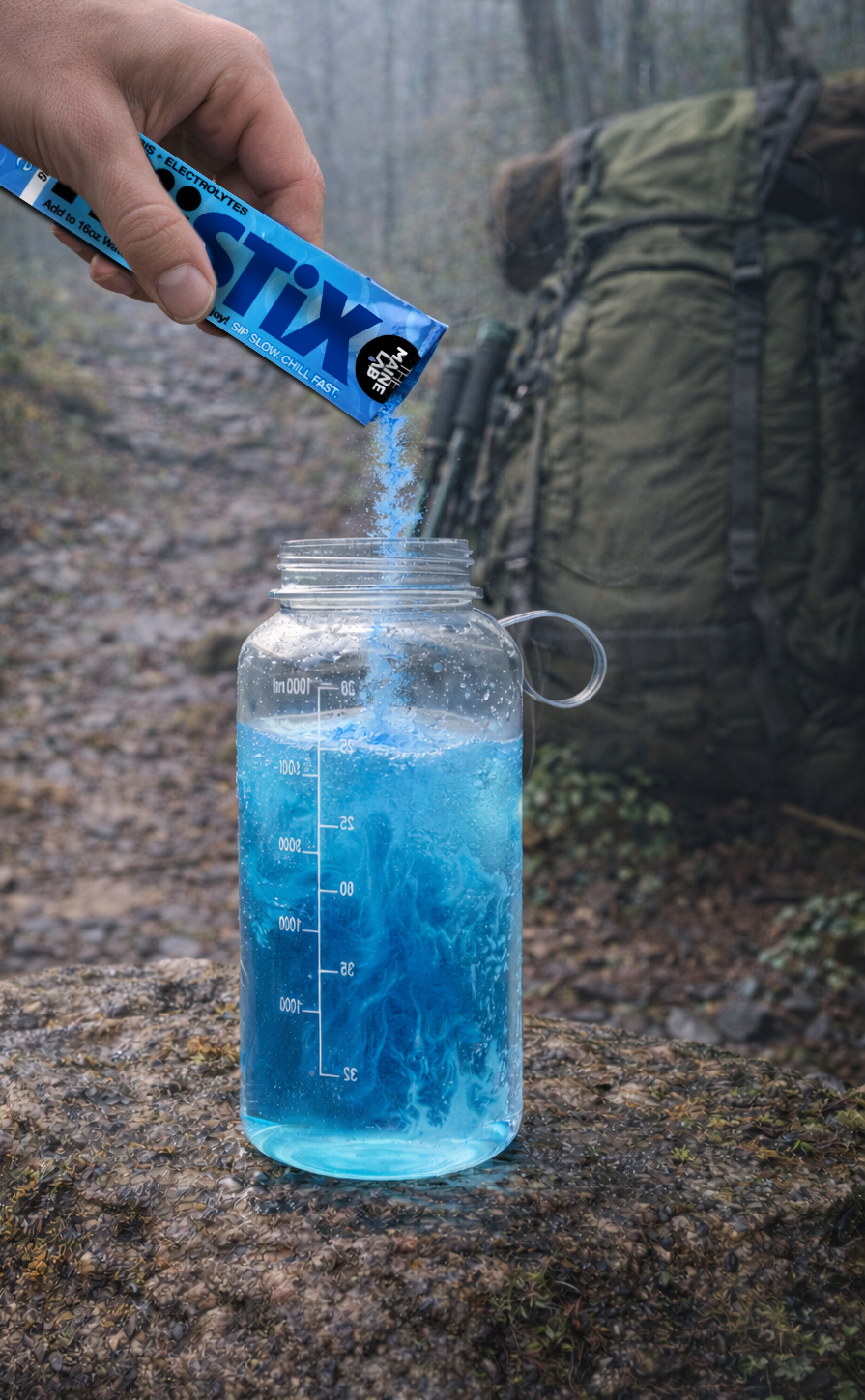
Hydration often plays a quiet but central role. As temperatures fluctuate and runs extend, maintaining fluid balance supports consistency and comfort. Some runners choose simple hydration tools like HiiStix Unflavored during or after runs, especially when effort increases but heat hasn’t fully arrived.
Others incorporate HiiStix + Electrolytes as part of recovery, particularly on longer days or back-to-back efforts. These aren’t performance enhancers — just optional tools some runners use to support routine and replenishment.
Racing as a Marker, Not a Mandate
Spring races offer structure, but they don’t have to define the season.
For some, a local 5K marks the return to organized running. For others, a half marathon or marathon provides a long-term anchor. Trail events introduce variety and community without rigid expectations.
What matters most isn’t the distance - it’s how training fits into life. Spring running works best when it complements the season rather than competing with it.
That perspective keeps running sustainable, not just through spring but into the warmer months ahead.
Let the Season Set the Pace
Spring doesn’t ask runners to be ready - it asks them to begin.
Early miles don’t need to be fast. Trails don’t need to be perfect. Progress doesn’t need to be dramatic. The season rewards those who show up consistently and listen closely.
In Maine, running has always been about adapting - to weather, terrain, and time. Spring simply reminds us that easing back in is often the strongest way forward.
